Ghana’s Manufacturing Sector
A Resilient Engine for Expansion and Strategic Investment
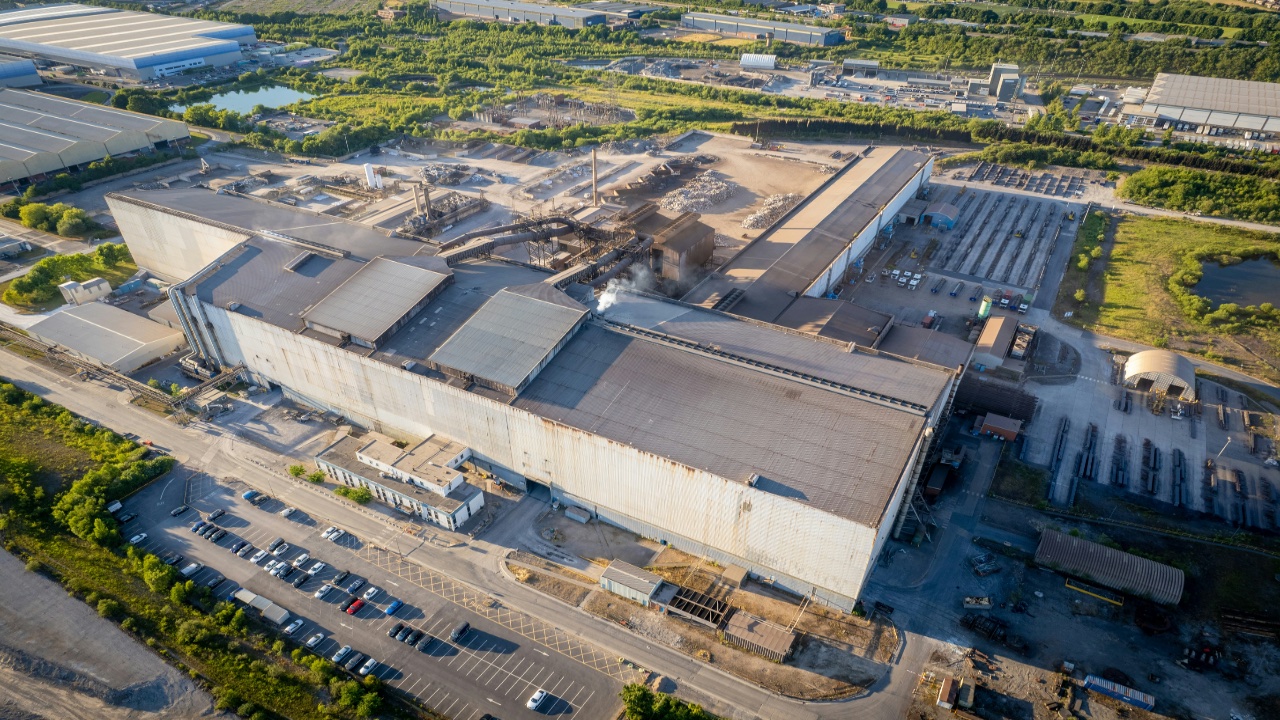
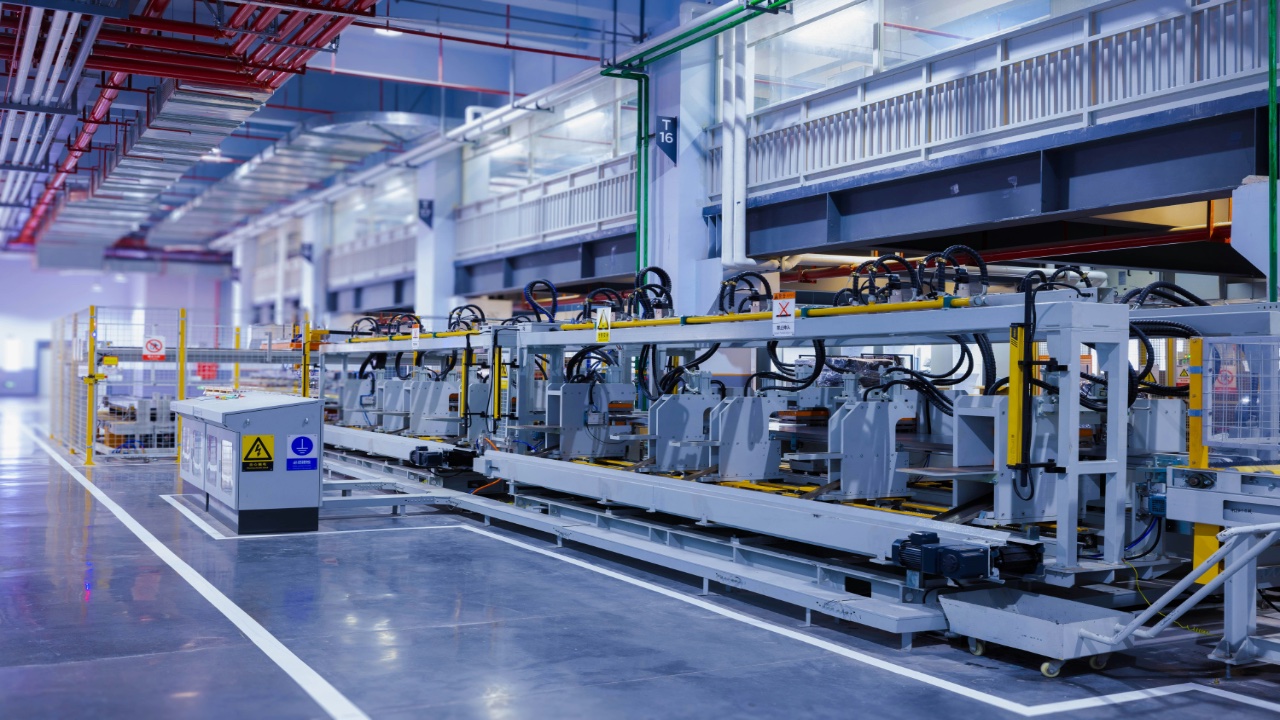
Positioned for significant expansion, Ghana’s manufacturing sector represents a highly strategic opportunity for investors seeking sustainable growth in West Africa. As a cornerstone of the nation’s economic diversification strategy, the sector continues to demonstrate notable resilience. Furthermore, as Ghana’s broader economy grows, it has become increasingly important that the development of the manufacturing industry reflects and supports this national economic trajectory.
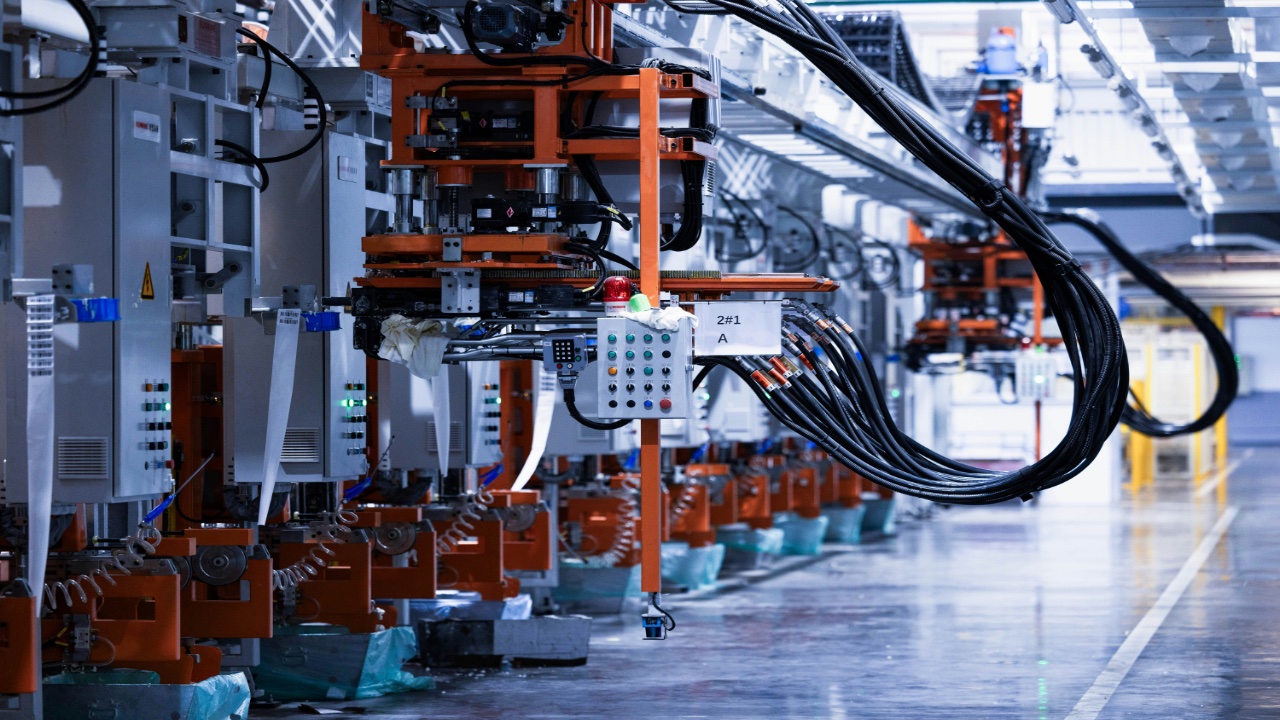
To facilitate this industrial advancement, the government has introduced a 24-hour economy policy specifically designed to support continuous, uninterrupted industrial production. This operational advantage is significantly enhanced by Ghana’s Paperless Port system, which has drastically reduced turnaround times at the country’s ports. As a result, manufacturing companies can now import essential raw materials and machinery with remarkable ease, while also benefiting from a streamlined process for exporting finished products.
These logistical improvements are bolstered by the country’s well-developed infrastructure, which makes it highly efficient for locally based manufacturers to reach international buyers. Crucially, manufacturing companies located in Ghana can export their goods to other Economic Community of West African States (ECOWAS) member countries duty-free, granting them direct access to a massive market of over 390 million people. Within the domestic market, consumers of manufactured products are highly price-sensitive in their purchasing decisions. This specific market dynamic affords new entrants an excellent opportunity to capture market share and succeed by offering affordably priced goods.
The manufacturing landscape is further defined by high-potential sub-sectors driven by surging demand.
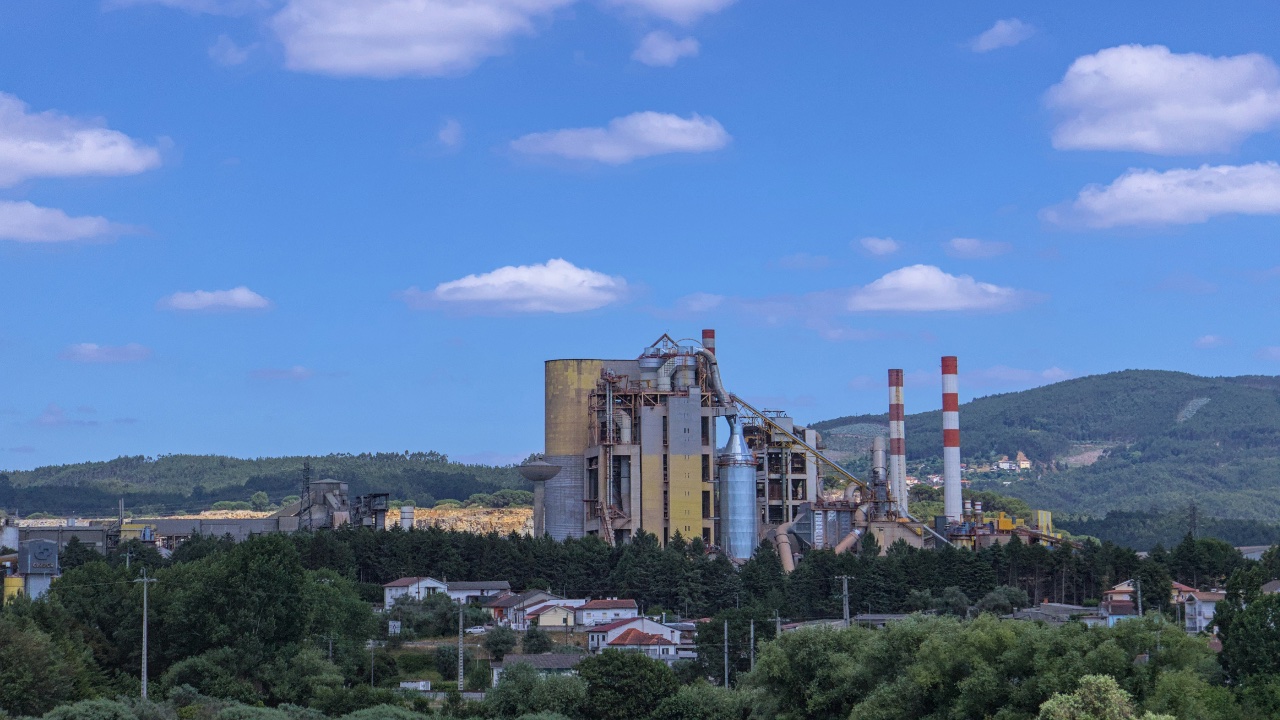
The construction industry has grown rapidly in recent years, driven by both government and private sector engagement in building and road infrastructure. This boom has resulted in a soaring demand for locally manufactured construction materials, mainly cement, electric cables, steel materials, clay products (including tiles, bricks, and paving blocks), float glass, and paints.
Ghana has made noteworthy progress across a number of important commodities within this critical sub-sector. According to the 2025 Feed Ghana Programme Draft, lucrative agro-processing opportunities exist in cassava, poultry, rice, shea, cocoa, plantain, and fish. These processing opportunities are comprehensively supported by emerging agro-industrial parks and robust rural investment pipelines.
Ghana’s manufacturing sector is brimming with investment opportunities and among them include the following:
- Chemicals:
- Pharmaceuticals
- Iron, Steel, and other Metals
- Agro-processing
- Machine tooling
- Automotive/Electric Vehicles
- Textiles & Garments
Business Friendly Environment and Policies
Attractive incentives for investors and businesses
Availability of skilled and trainable labour
Availability of infrastructure for further development
Availability and proximity to regional markets